In short
Generic "class strategy" does not exist. Spinning runs close to max capacity with high no-show. Yoga should be intimate, not packed. CrossFit has community as retention driver. Strength training is a solo activity. Adapt capacity, pricing and marketing per type, not one approach that fits all.
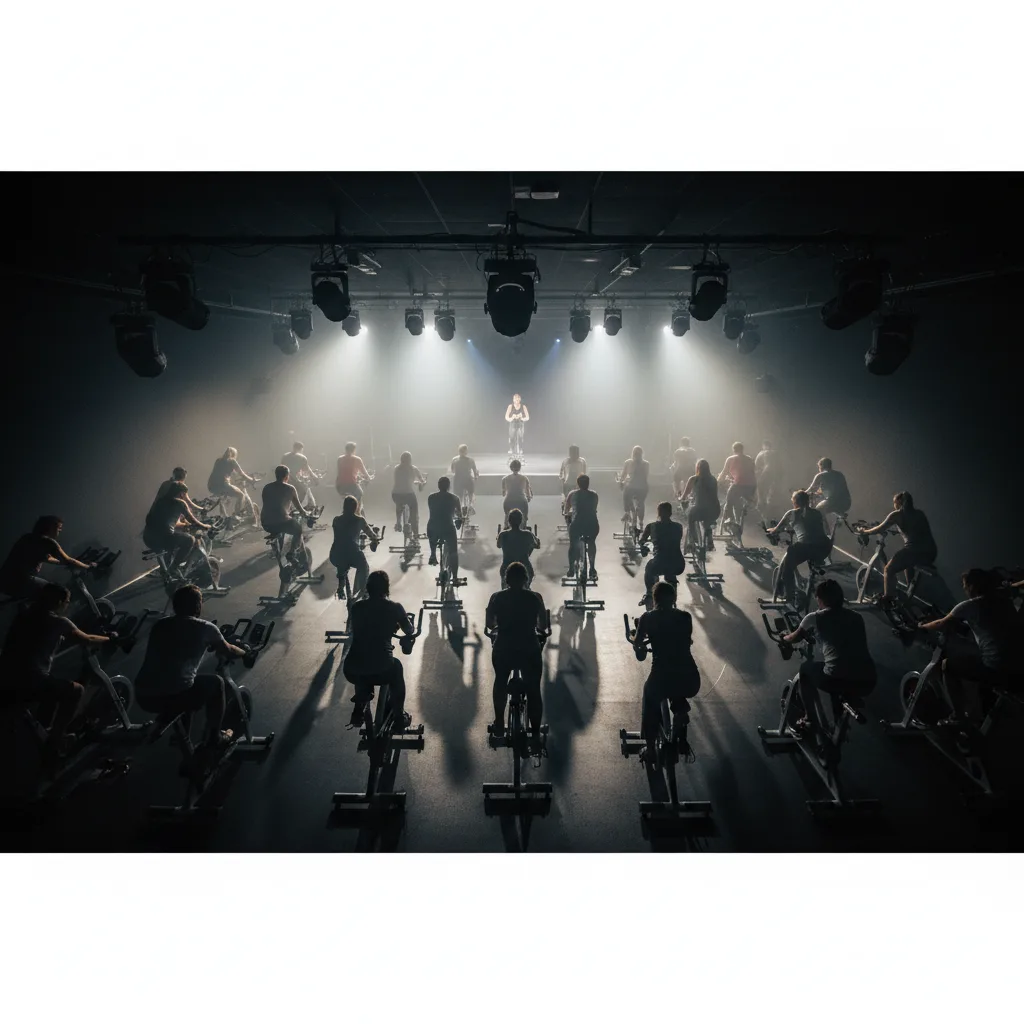
Spinning, high capacity, high no-show
Spinning is the highest-utilized class segment in most centers. Also the one with the highest no-show (typically 15-20%). Members book because they "feel like it", but 1 in 5 does not show up.
Strategy: Set capacity close to physical maximum (the instructor sees everyone, no need for individual correction). Activate automatic waitlist with short deadline (5-8 minutes). No-show fee for repeated offenses.
Marketing: Push on timing: "20-minute HIIT before work". Lunch spinning is an untapped niche.
Yoga, intimate experience, not quantity
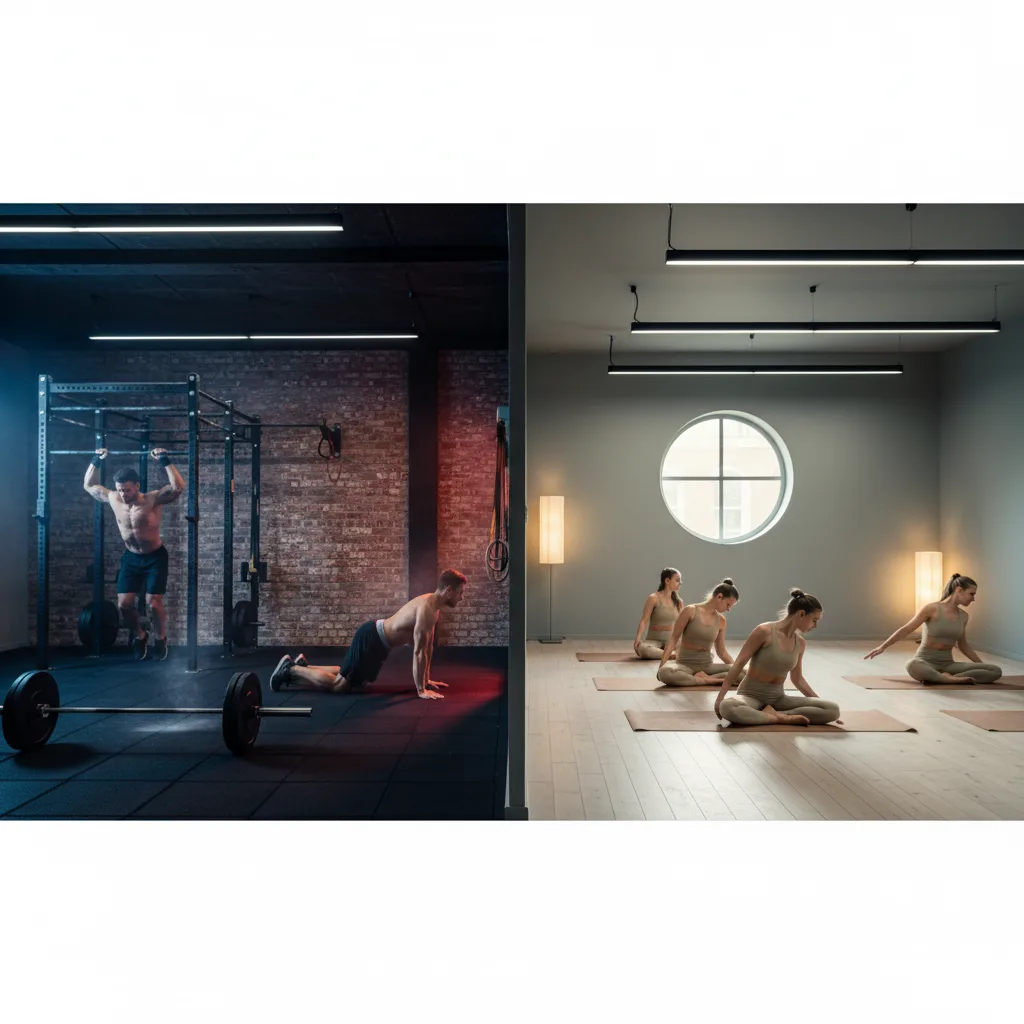
Yoga differs fundamentally from spinning: members come for calm, presence and individual guidance. A yoga class with 20 people in a 40m² room is not a good yoga class, it is a packed room.
Strategy: Set capacity at 70-80% of physical max. This gives the instructor time for corrections and members space to stretch without hitting their neighbor.
Marketing: Capture atmosphere over numbers. Images of quiet classes, not sweat-filled spinning rooms. Target ages 30-55, women, local.
CrossFit, community as retention engine
CrossFit boxes have the highest retention in the fitness industry. Not because the training is better, because the community dynamic is stronger. People do not come just for the WOD. They come to see the same people every Wednesday.
Strategy: Set capacity at 12-16 participants per WOD (sweet spot for community). Track who consistently shows up together, flag them as "core community". They are your most important retention asset.
Marketing: No marketing beats word-of-mouth in CrossFit. Activate existing members as a referral engine. "Bring a friend" events. Member features. Community events outside training.
Strength training, solo activity, does not need booking
Strength training at fitness centers is typically drop-in. People use machines and free weights without booking. They have a subscription and come when it suits them.
Strategy: Measure capacity utilization by hour (peak hours = 4-7pm), not per class. Offer PT as an add-on for strength members who want structure.
Marketing: Push trial membership + PT session. People buy strength memberships but typically disappear after 2 months without a plan. PT is what keeps them.
Hybrid: when a center runs multiple types
Most centers run a combination. Pure CrossFit or pure yoga is rare. Here are traps to avoid:
Trap 1: Same rules for all class types. You must differentiate capacity, no-show fee and cancellation windows per type.
Trap 2: Comparing KPIs across types. Spinning's 20% no-show is not the same as yoga's 5% no-show.
Trap 3: Marketing that tries to appeal to everyone. Run separate campaigns per class type with different tone and target audience.
Next steps
Read our guide to group training capacity and waitlist or see how FitnessBooking handles differentiated rules per class type in a demo.
Differentiated rules per class type
FitnessBooking lets you set capacity, no-show fee and cancellation window per class type. No more one-size-fits-all.
ui.blog.related_eyebrow