In short
Fitness centers handle more personal data than most other SMBs, health information, photos, payments. The five things you must control: legal basis, storage, consent, data processing agreements and user rights.
Note: this article is a practical introduction, not legal advice. Get specific assessments validated by a lawyer or your data protection authority.
What does GDPR require of a fitness center?
Five areas must be in place:
Legal basis for each type of data you process
Clear retention periods documented
Explicit consent for marketing and health information
Data processing agreement with all external providers
System to handle user rights (access, deletion, export)
1. What data do you actually process?
Start with a data mapping. Write down what data you collect, where it lives, who has access and how long it is stored. Typical categories at a fitness center:
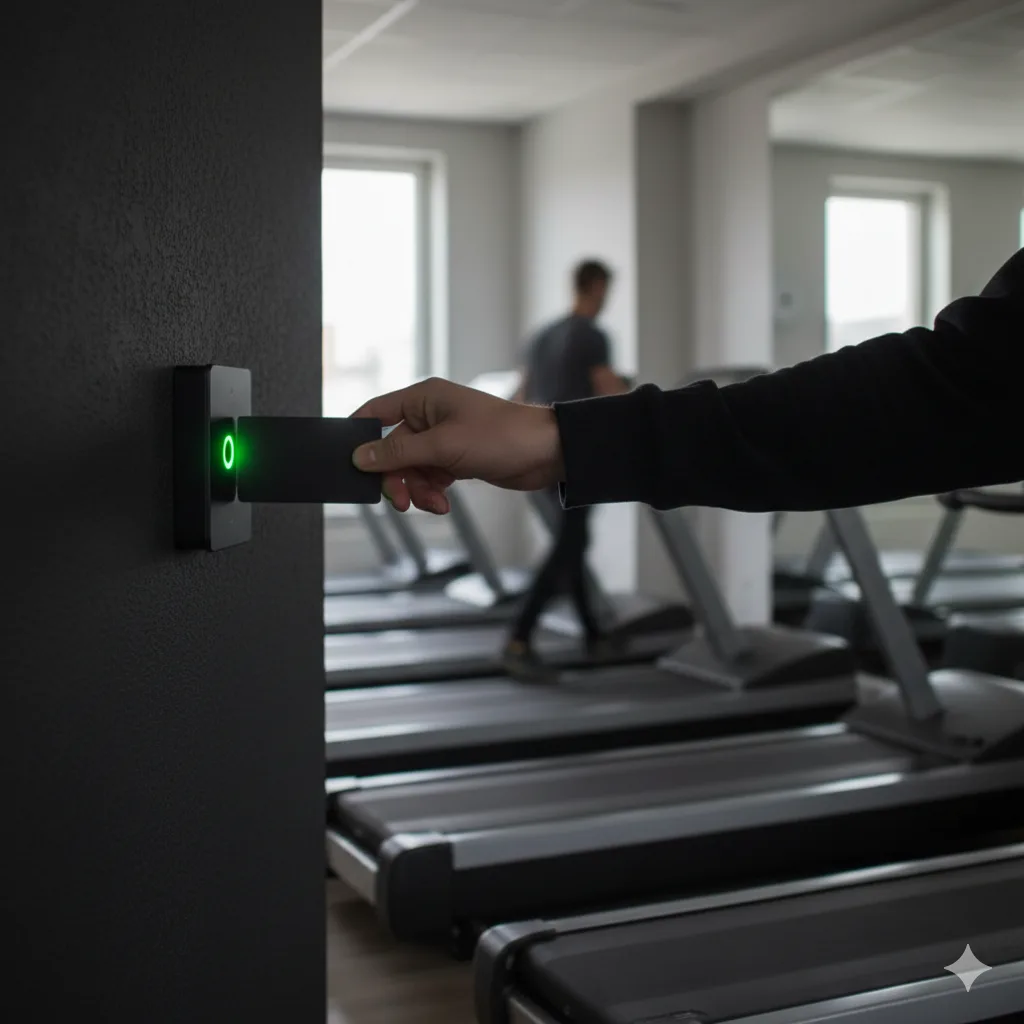
Regular personal data (name, address, phone, email). Health information if you have injury, allergy or health forms, that is a special category requiring explicit consent. Photos from the center or classes if identifiable. Payment data. Access data from access control systems.
2. What is your legal basis for processing it?
Each type of data must have a legal basis. The four most relevant for fitness centers are:
Contract fulfillment: you may process data necessary to fulfill the agreement, e.g. payment, booking, access.
Consent: required for marketing, photos you publish, and special categories like health.
Legitimate interest: can cover things like security and fraud prevention, but requires a documented balancing test.
Legal obligation: accounting, tax, anti-money laundering etc.
3. How long may you store it?
Retention periods must be concrete and documented. Not "until further notice". Typical examples: accounting records 5 years, regular member data after termination 6-12 months (unless other rules require longer), marketing consent until withdrawal.
What matters is not that the period is correct across all centers, it is that you have made a decision and can justify the choice.
4. Data processing agreements
Every time an external provider processes personal data on your behalf, booking system, email provider, payment gateway, there must be a data processing agreement (DPA). It is a legal requirement, not a formality.
A good DPA describes specifically what data is processed, for what purpose, for how long, and what security measures are in place.
5. Member rights
Every member has the right to access, rectification, deletion, restriction, data portability and objection. You must be able to respond to such a request within 30 days.
In practice this means: you must know where data lives, you must be able to extract it in a readable format, and you must be able to delete it without leaving copies behind. That is hard if data is spread across spreadsheets, inboxes and sticky notes. It is trivial if it lives in one system.
Next steps
Read our privacy policy for an example of structure. Or book a demo and see how FitnessBooking makes it easier to comply with rights and retention.
GDPR-compliant booking from day one
Book a demo and see how FitnessBooking is built with GDPR in mind.
ui.blog.related_eyebrow